Signal Talks: A Conversation with Fountain House Harlem member Nelson
This week, we are presenting the second of two special conversations we had at New York City's Fountain House.
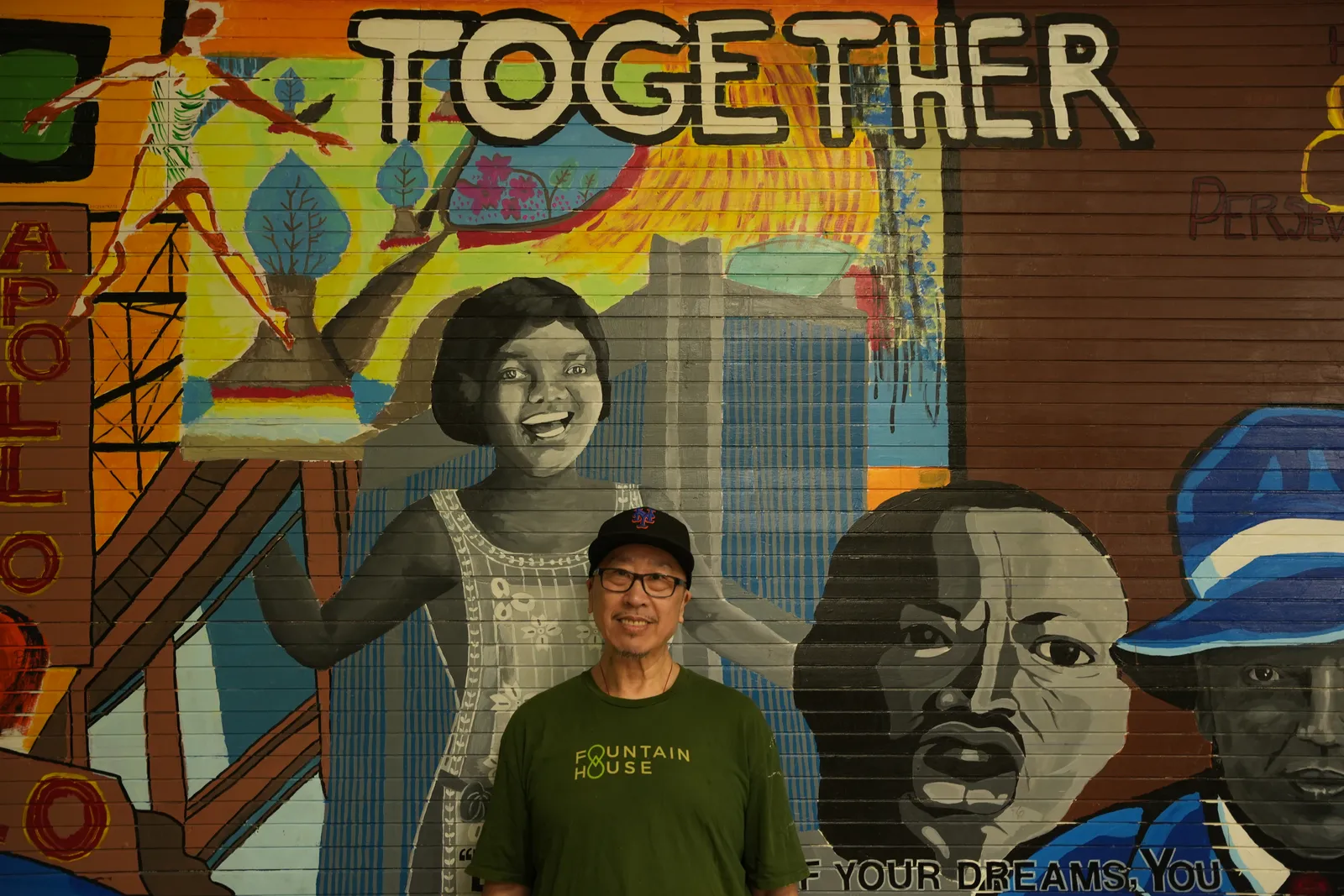
Welcome back to our series, Signal Talks, presented by Mindsigns Health™. This week, we are presenting the second of two special conversations we had at New York City’s Fountain House.
Founded in 1948 in New York City, Fountain House originated the clubhouse model of community mental health that has been replicated more than 300 times in nearly 40 U.S. states and in 31 countries around the world. - Fountain House website
You can learn more about Fountain House here: www.fountainhouse.org
Beyond the insights we get from clinicians and fellow collaborators, we’ve always found conversations like the ones at Fountain House to be just as, if not more, impactful. There’s a level of honesty in the perspective of “lived experiences” you can’t get elsewhere. We were very grateful that we had a chance to speak with two people at Fountain House last week.
After our conversation with the Clubhouse Director Jane Clinger, LMSW, we had a chance to speak with Fountain House member Nelson.
Note: This interview has been edited and condensed for clarity.
How long have you been a member here?
A little over a year, actually a year and 2 months.
How are you liking it?
I’m really liking it a lot. I enjoy coming here. It’s the consistency that is like going to a restaurant, it’s good when it’s the same each time and that’s how I feel when I come here. I feel good about myself, I feel welcome. I feel alive, I feel I have purpose going through the work-ordered* day. I feel that I’ve accomplished something, being a productive member of society and giving back to the community.
*Work-ordered refers to the tasks needed to keep the clubhouse running, which are executed by Fountain House members and staff while at the clubhouse.
Could you share a little bit about what a day is like for you here? What keeps you coming back?
We have unit meetings in the morning. Sometimes I run the meeting. We go through the work-ordered day, tasks that needs to be done. I usually like to participate doing the culinary tasks, working in the kitchen and helping prep food and cook. And then doing dishes, cleaning up after food service. I enjoy doing that a lot. Because long-term, I would like to have a small business of my own one day, open a small restaurant, own a small business, so Fountain House I feel is training me, empowering me to reach that goal.
That’s what we talk about, right? Community. So how has this community changed your perspective on yourself and perspective in general?
It made me become a better version of myself, push me out of my comfort zone and made me realize things that I used to do prior to my diagnosis and reminding me of things that I already know how to do, but I forgot being that I isolated myself from having a mental illness and not having a purpose and developing not so healthy, lifestyle choices.
I’m very thankful to speak to a member because of the lived experience. It helps people understand a little bit more about what you all go through. Is there any part of your journey being here that you want people to understand?
Being at Fountain House, Harlem especially, it makes me feel that I can forget that I have a mental illness. And by that, I mean, just by being part of the community, and then being surrounded by the diverse staff and what each member brings to the table. I don’t feel that I’m living with a disability. I feel that I can achieve my goals and build a clubhouse with the community as a whole. It’s almost like I just feel normal. I have more stamina and adrenaline to cook, shop etc. It’s better lifestyle choices.
For those out there who may still be struggling and they haven’t reached out to anyone yet, they haven’t accessed resources like Fountain House. What would you want to tell them?
Never lose hope because once you lose hope, I believe you lose everything. And the fact that help is out there, you just kind of believe in yourself and have the will to be transparent and not be afraid to show your true colours. And let a lot of people help you. Want the help.
There’s a strength in being aware of that, seeking that help and then strength in allowing the community to support your progress. What do you think we need to do better as a community?
I think we need to break the racial barriers that I think separates us, that causes a lot of subconscious mental illness. I believe, when I say subconscious, it’s like, especially now, with all the hate that’s floating around and racism. And that can spread. But I think if we just unite together as a whole, as a society, and as people, work together as a community that’s coming together. We have to become more transparent, agree to disagree, and the world will be a better place.
I want to ask about your art and what you’re trying to say through it.
The main theme is about respect. I did an installation piece, and it’s about respect, and I started this project where I interview people, what they think about when no one else is listening. And I take Polaroids around to the communities, in the neighborhoods, asking people either diagnosed with mental illness, or not, and asking them questions and what may inspire them.
Is there anything else you want to share?
Being here, being in the environment and the space we designed together, I forget that I have a mental illness. When I meet my psychiatrist, that’s still in my head, you know, I’m walking with that stigma still. And sometimes, if I’m with my friends, I still feel that. But when I’m here, I don’t think about it at all. We see each other as people, and I really respect that and I really want people to know that about Fountain House. If people are just starting to get their feet wet here, we make each other feel at ease and comfortable. Engage at your own pace and recover at your own pace. I don’t feel like I’m disabled. If anything, I’m able.
Thank you Nelson for allowing us to share your thoughts. To our readers, we appreciate you joining us for another edition of Signal Talks, presented by Mindsigns Health™.


